Understanding the Foundation.
Dr. Kym leads assessment and clinical vertical growth, helping people identify underlying beliefs and patterns and determine the support they need. This work is provided by qualified licensed professionals.
Lived Horizontal Growth • Performance • Purpose
I help executives, elite athletes, cultural figures, and veterans put their chosen values and ambitions into practice through practical capability: making decisions, communicating clearly, building relationships, and following through under pressure.
Applications opening soon. Join for updates.
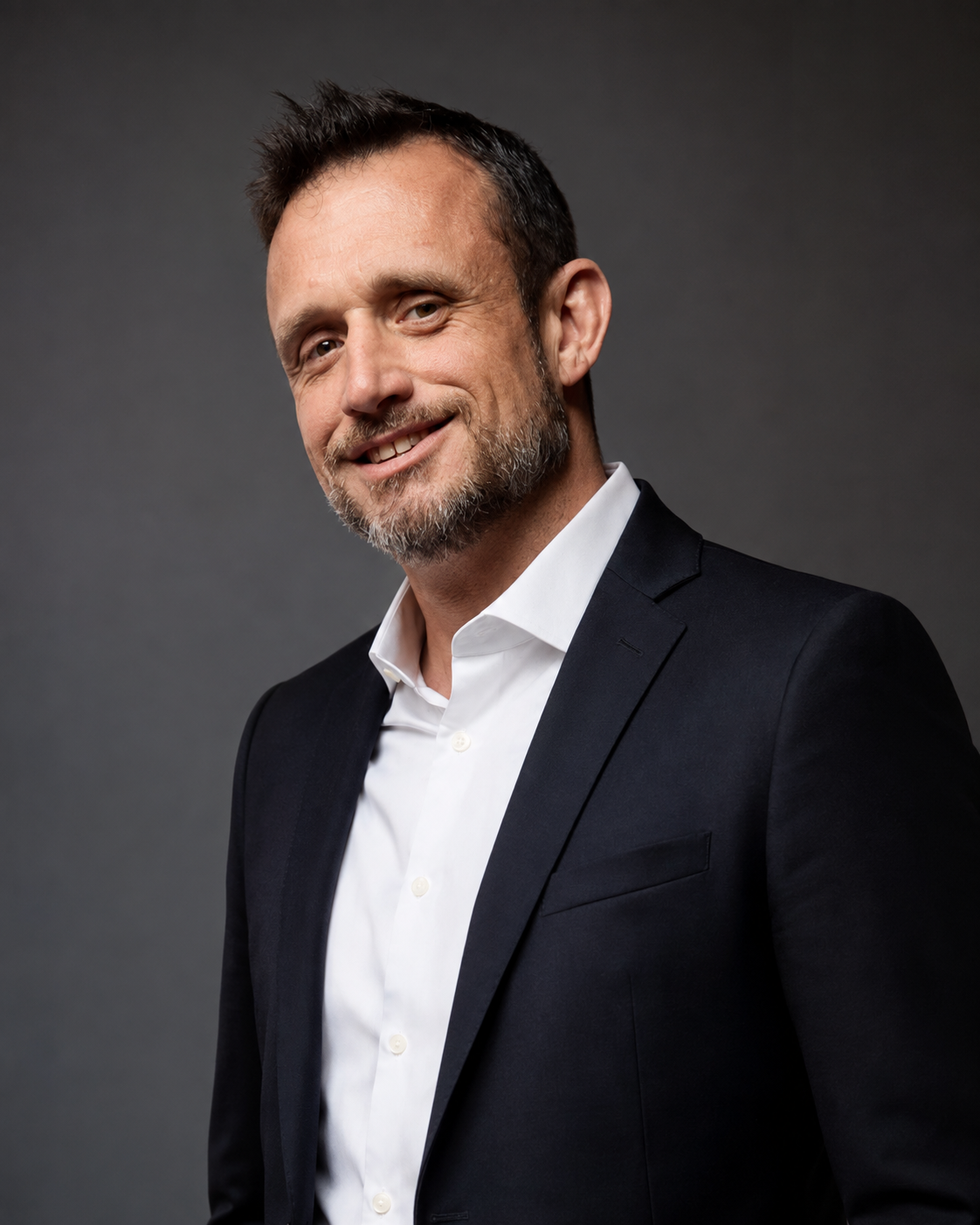
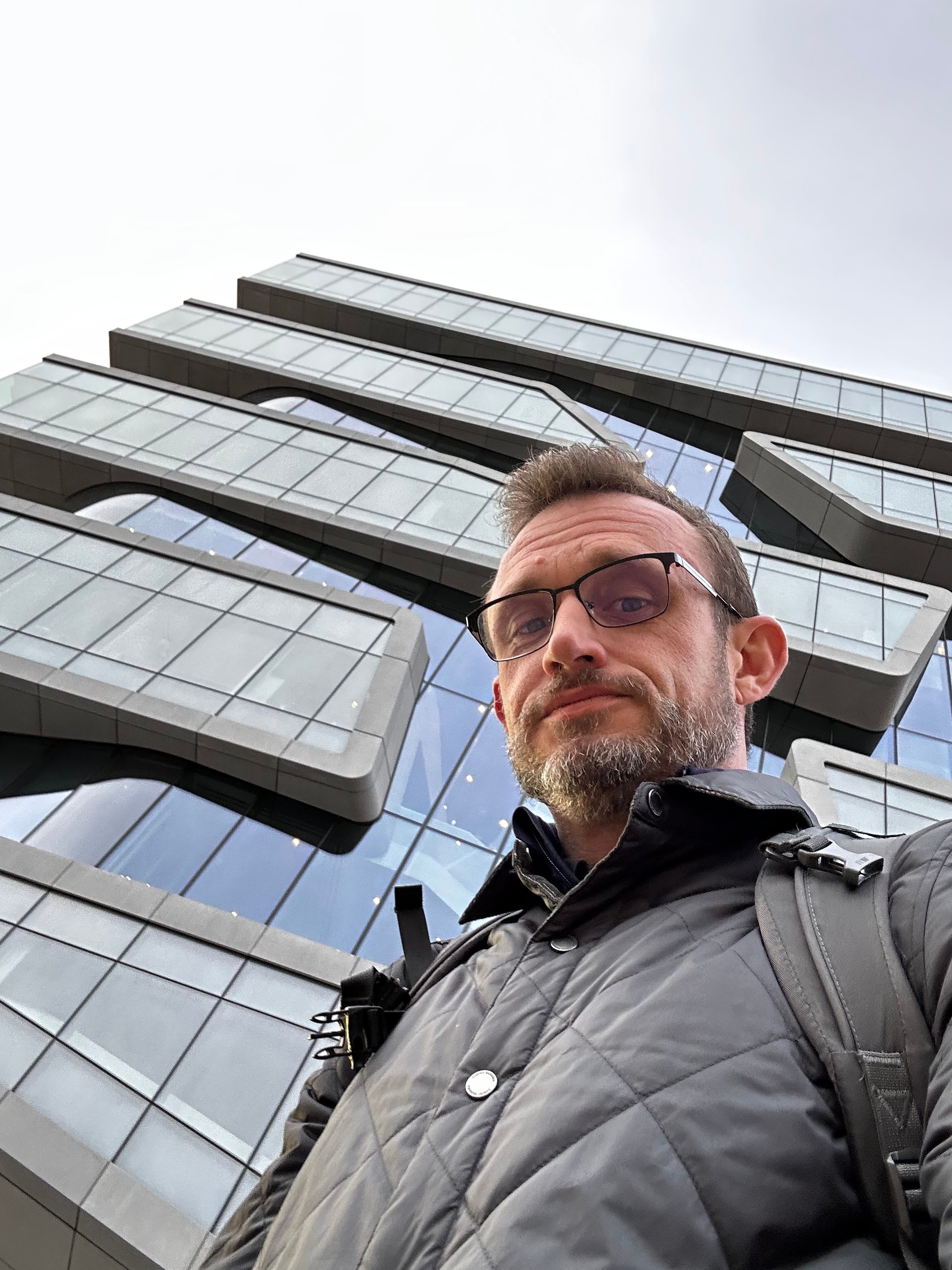
Chris Pollitzer • Cofounder, INVERSELF
Practical Skills • Performance • Lived Horizontal Growth
The Company Behind the Work
INVERSELF is the human performance company I co-founded to connect clinical vertical growth with lived horizontal growth. We are building a coordinated path for executives, elite athletes, cultural figures, and veterans who want to develop the capability to live and perform according to their chosen values.
Our flagship experience, The Passage, brings these complementary forms of work together. Dr. Kimberly Lasser-Chere leads assessment and clinical vertical growth; I lead lived horizontal growth. Both Dr. Kym and I bring a trauma-informed approach to our respective work, with attention to your experiences, choices, and readiness. Our professional roles remain distinct throughout.
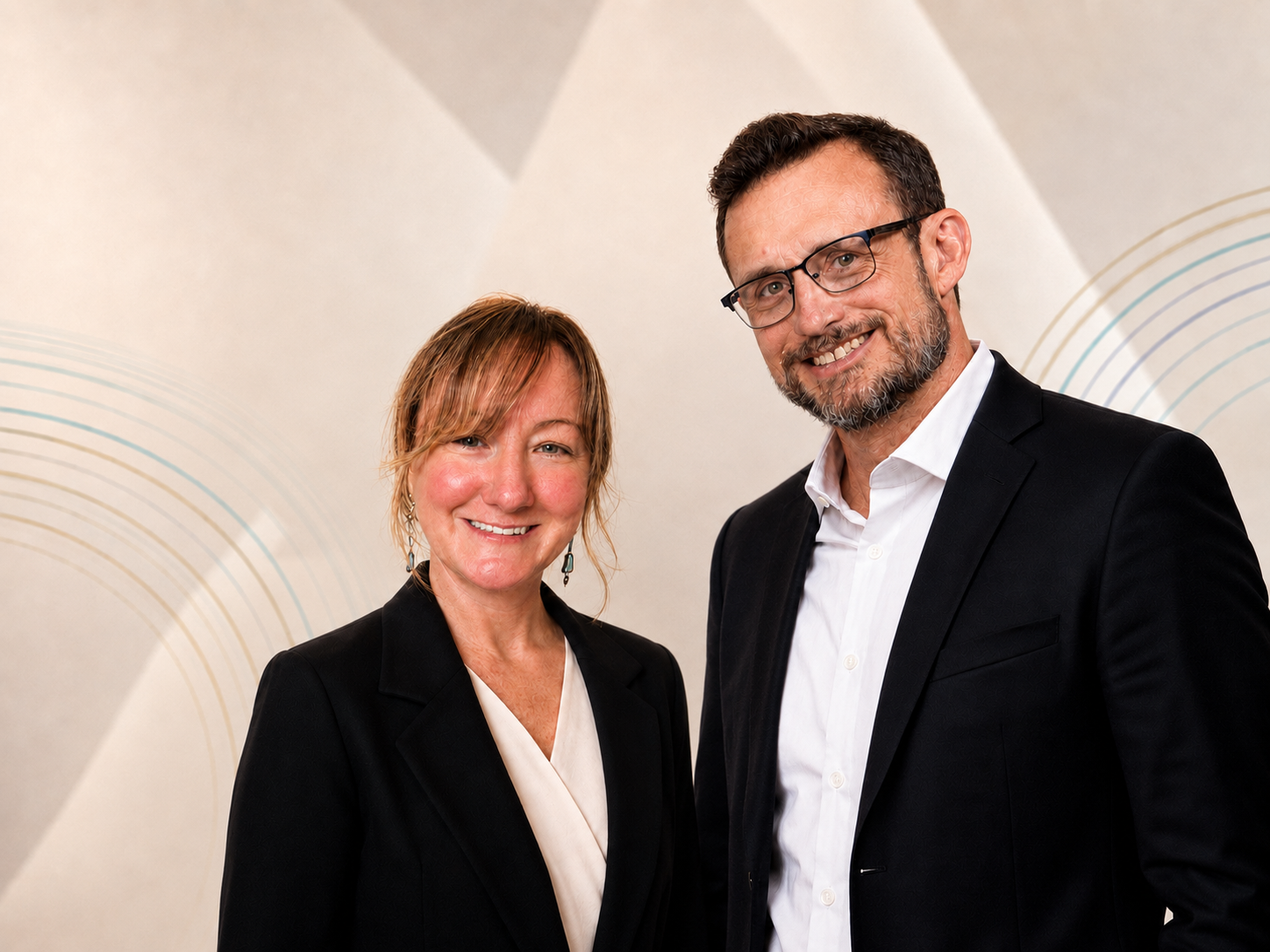
Dr. Kym leads assessment and clinical vertical growth, helping people identify underlying beliefs and patterns and determine the support they need. This work is provided by qualified licensed professionals.
My work helps you put chosen values into action through practical skills, supportive environments, deliberate decisions, and accountability. We practice how you want to live and perform.
Pyramis is being developed to preserve context and progress over time. Governed AI is intended to support preparation, pattern visibility, and measurement, with clinical and professional decisions remaining in human hands.
INVERSELF’s Flagship Experience • Applications Opening Soon
The Passage is INVERSELF’s flagship six-month cohort, bringing clinical vertical growth and lived horizontal growth into an individualized path. Built for executives, elite athletes, cultural figures, and veterans, it connects the work of understanding yourself with the practice of living and performing differently.
Your pathway is shaped by Dr. Kym’s paid assessment. Where clinical vertical growth is appropriate, licensed professionals lead it. Lived horizontal growth develops the skills, decisions, habits, and environment that support your chosen direction. These distinct services are coordinated around your needs, readiness, and progress.
The six months establish an initial period of focused work, with a view toward continued development beyond the cohort. Applications will open soon. Join the waitlist to hear when they do.
Join the dedicated Passage waitlist for application announcements. Joining is an expression of interest, not an application or a commitment to enroll.
Who This Work Is For
Executives building and leading organizations. Elite athletes navigating competition and what comes next. Cultural figures balancing public demands with personal direction. Veterans shaping life beyond service. Different environments, with a shared need to make consequential decisions and live according to chosen values under pressure.
This work asks for direct questions, honest analysis, and consistent practice. We build toward who you want to become through the decisions and commitments in front of you now.
From Understanding to Application
Recognizing a pattern does not automatically teach you how to communicate differently, navigate conflict, lead a team, or build a different life. Those abilities develop through practice, experience, feedback, and accountability. That is the lived horizontal growth work I help people do.
Clinical vertical growth in our approach changes your relationship to meaning, identity, and belief. A belief that once operated as an unquestioned lens becomes something you can observe, examine, and choose how to respond to. In our partnership, this work is led by psychotherapist Dr. Kimberly Lasser-Chere. Dr. Kym helps you identify and examine beliefs, consider new perspectives when appropriate, and assess readiness for practical growth work.
Lived horizontal growth expands your capability through knowledge, skills, practice, feedback, and real experience. My lived horizontal growth focuses on putting your chosen values into action through decisions, habits, relationships, and measurable commitments. Belief exploration within clinical vertical growth remains with Dr. Kym.
Dr. Kym determines the appropriate starting point. When lived horizontal growth is appropriate, we agree on the values and goals you want to put into practice. I help you define what living those values looks like in your environment. Any need for further clinical vertical growth is referred back to Dr. Kym or another appropriate professional.
Assessment, Readiness & Lived Horizontal Growth
Start with a clear baseline, establish the right support, and make an informed transition into lived horizontal growth.
Dr. Kym assesses your strengths, needs, and readiness. You receive a written baseline summary and recommended next steps. The fee and scope are explained before booking.
* Your baseline summary is yours to keep, whether you enter the program or take it to another provider.Dr. Kym recommends the support that fits your needs, including clinical vertical growth when appropriate. Your next step may be a program invitation or a referral. Readiness guides the transition into lived horizontal growth.
When you are ready, Dr. Kym and I coordinate the transition into lived horizontal growth. You decide what information Dr. Kym shares with me for this handoff. That authorized context helps us establish your starting point, priorities, and practical goals, so the work ahead builds on the work you have already done.
Define what your chosen values look like in decisions, relationships, and responsibilities. Agree on observable actions and practical measures of alignment.
Review your routines, relationships, workspace, commitments, and use of time. Plan realistic changes that reduce friction and strengthen support for your growth.
Practice the conversations, decisions, and leadership skills your goals require. Use feedback, measurable objectives, and regular accountability to review progress and adjust.
Clear Direction. Deliberate Practice. Real Accountability.
Why This Work Is Different
My specialty is lived horizontal growth: helping you develop the capability to live and lead according to the values you have chosen. We define practical actions, develop skills, and review how your decisions, conversations, relationships, and commitments align with those values in daily life.
My work draws from two decades in Special Operations and Psychological Operations, including the design of assessment and selection environments, and the past eight years of executive work. Alongside the disciplined study of belief, decision-making, and human behavior, that experience informs how I assess capability, identify what needs development, and help you practice under real conditions.
Coming Soon

This is not simply a book about how belief systems work. It is an argument for doing mental health, human development, and long-term care differently. It asks what becomes possible when therapy, lived horizontal growth, technology, and community are no longer treated as isolated answers, but as distinct parts of a coordinated continuum that can support a person through healing, growth, transition, performance, and the changing seasons of life.
The work grew from three years of examining the gaps people repeatedly fall through. Care is often fragmented by provider, diagnosis, and phase of life. People are forced to retell their history whenever they move between forms of support. Therapeutic insight does not always become sustained action, while lived horizontal growth can push toward performance without addressing the deeper patterns still shaping behavior. Valuable context disappears between sessions, and the role of community is too often left outside the model entirely.
The Actualization Effect brings those problems into one design question: how can we preserve what already works, repair what is disconnected, and create real continuity over time? The emerging model coordinates therapeutic care and lived horizontal growth while respecting the distinct purpose and professional boundaries of each. Both can be supported by a platform designed to collect, organize, and carry forward the information needed to recognize patterns longitudinally, maintain context, and help people move between healing and forward growth without starting over each time their needs change.
The book establishes the model. INVERSELF is the company growing out of this work. Pyramis, the system being developed within INVERSELF, is designed to preserve longitudinal context, help surface patterns, supporting appropriate coordination between lived horizontal growth and therapeutic care, and strengthening continuity between sessions and across seasons of life. Human relationship, professional responsibility, and community remain at the center. Technology exists to support that work, not replace it.


Explore the next step beyond the book. Join The Passage waitlist to hear when applications open for our six-month experience.
The Passage • Applications Opening Soon
We are preparing INVERSELF’s flagship six-month experience. Join the waitlist to be notified when applications open and receive details about the next cohort.
Joining the waitlist is not an application or a commitment to enroll.
Featured Social Content
Follow Me on Social Media.
Follow the work in real time across Facebook, Instagram, and LinkedIn. These featured posts are among the conversations that have reached the widest audiences.
Featured Facebook Post
Most ViewedFeatured Facebook Post
Most ViewedFeatured Facebook Post
Most ViewedFeatured Instagram Reel
Watch the Reel