
About Chris Pollitzer • Cofounder, INVERSELF
We are building the work my entire life prepared me to lead.
I am an entrepreneur, strategist, author, and lived horizontal growth specialist. My work is informed by more than twenty years of Army service and the past eight years of executive work.
Today, that experience comes together in INVERSELF, the human performance company I co-founded. We are preparing The Passage, our flagship six-month experience connecting clinical vertical growth with lived horizontal growth.
The military forged my standard. Eight years of executive work expanded how I apply it across organizations, industries, and stages of growth. Today, I bring that experience into building INVERSELF with our team.
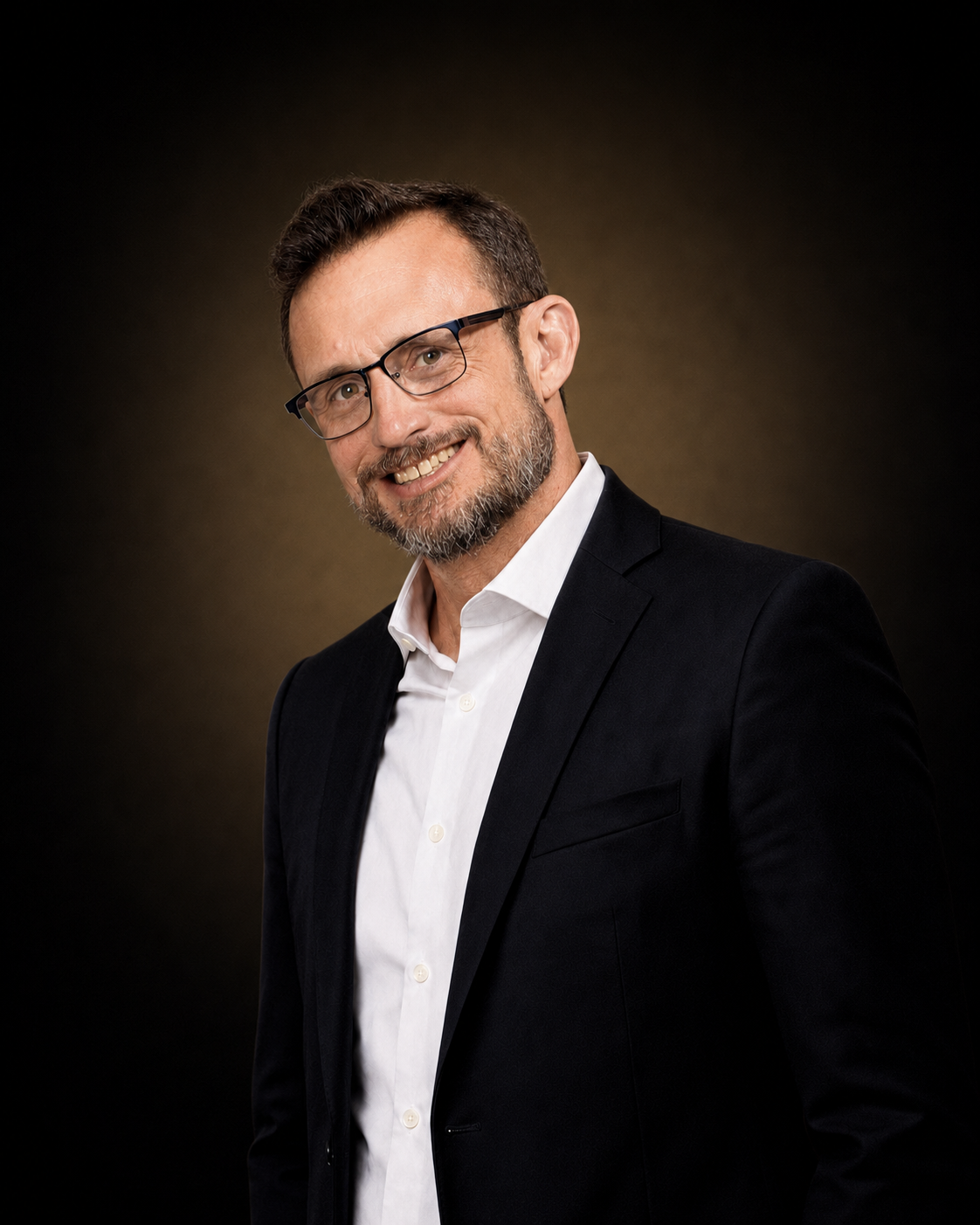
The Foundation
The military forged my standard for leadership and responsibility.
4 Months · 7 DaysUnited States Army service
I served for more than twenty years in the United States Army, beginning in the infantry before moving into Psychological Operations. I earned the Ranger Tab and Expert Infantryman Badge, deployed to Iraq and Afghanistan, built and rebuilt teams, redesigned assessment and selection programs, and modernized operational systems.
In the final five years of my career, I served with B Company, 9th Psychological Operations Battalion, directly supporting missions involving the 3rd Ranger Battalion, DEVGRU, and Delta Force. The trust earned through that work led to USASOC G3X-SA, and that command-level sensitive-activities experience opened further opportunities within the Intelligence Community.
Those years taught me to understand exceptional teams, complex human systems, competing narratives, and decisions made without complete certainty. They showed me how belief, trust, culture, identity, and communication shape what people do under pressure. That foundation continues to inform how I lead teams, assess capability, and approach complex decisions.
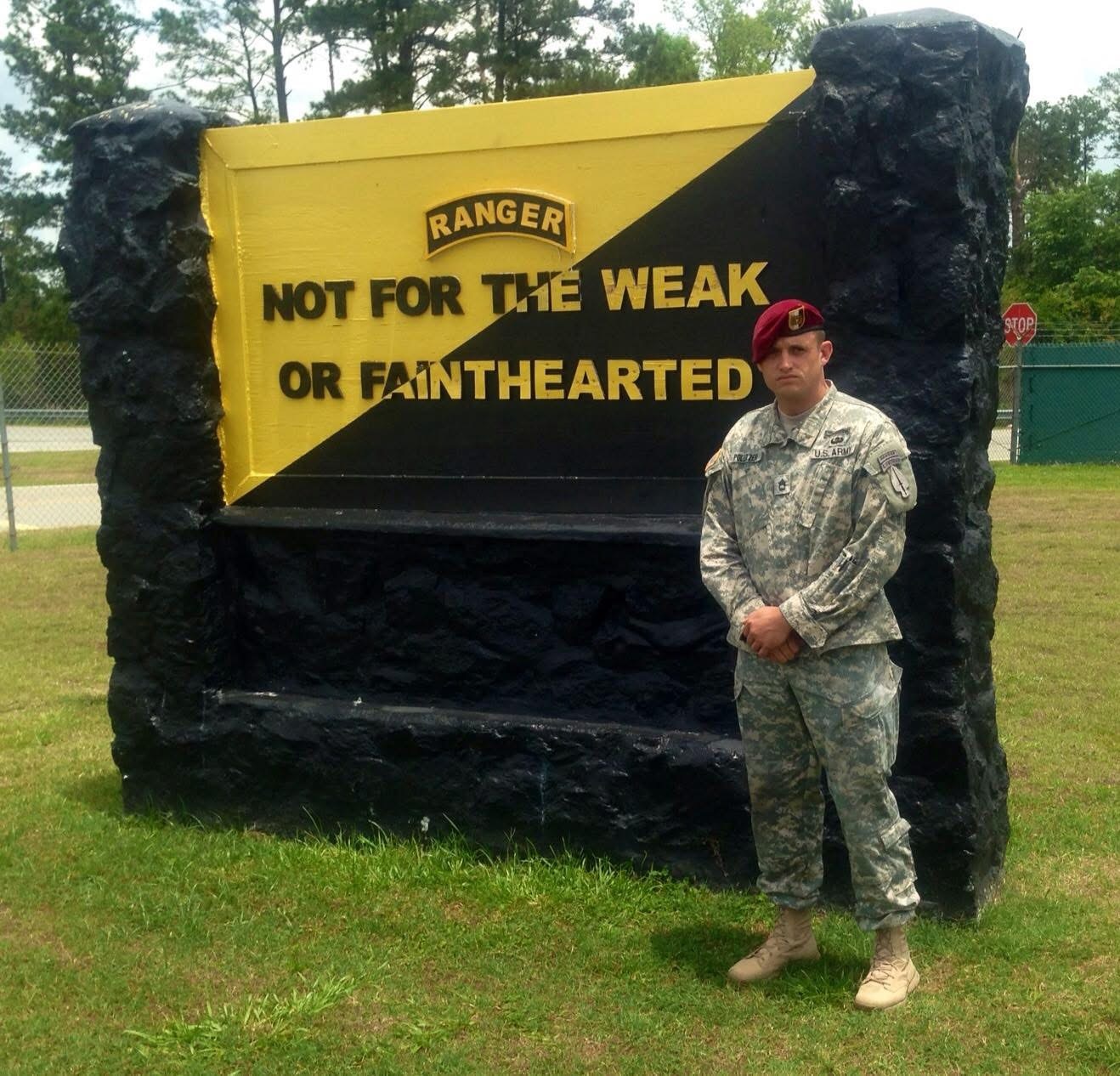
Eight Years of Executive Work
From military leadership.
To executive responsibility.
After retiring, I worked inside large enterprises, established mid-sized companies, early-stage startups, and investment funds. Over the past eight years, that work has taught me how organizations behave at different stages of scale. Enterprises exposed the effects of process, culture, and institutional friction. Established businesses showed me how to protect a working operation while changing it. Startups taught me about speed, scarcity, and building before systems are mature. Investment work sharpened my attention to capital, incentives, risk, and the difference between a persuasive story and a durable business.
Across those environments, I learned to test assumptions, make tradeoffs explicit, and connect strategy to the resources and people required to execute it. I take responsibility for my decisions, review the results, and apply what the work teaches me to the next decision. That discipline is central to how I lead today.
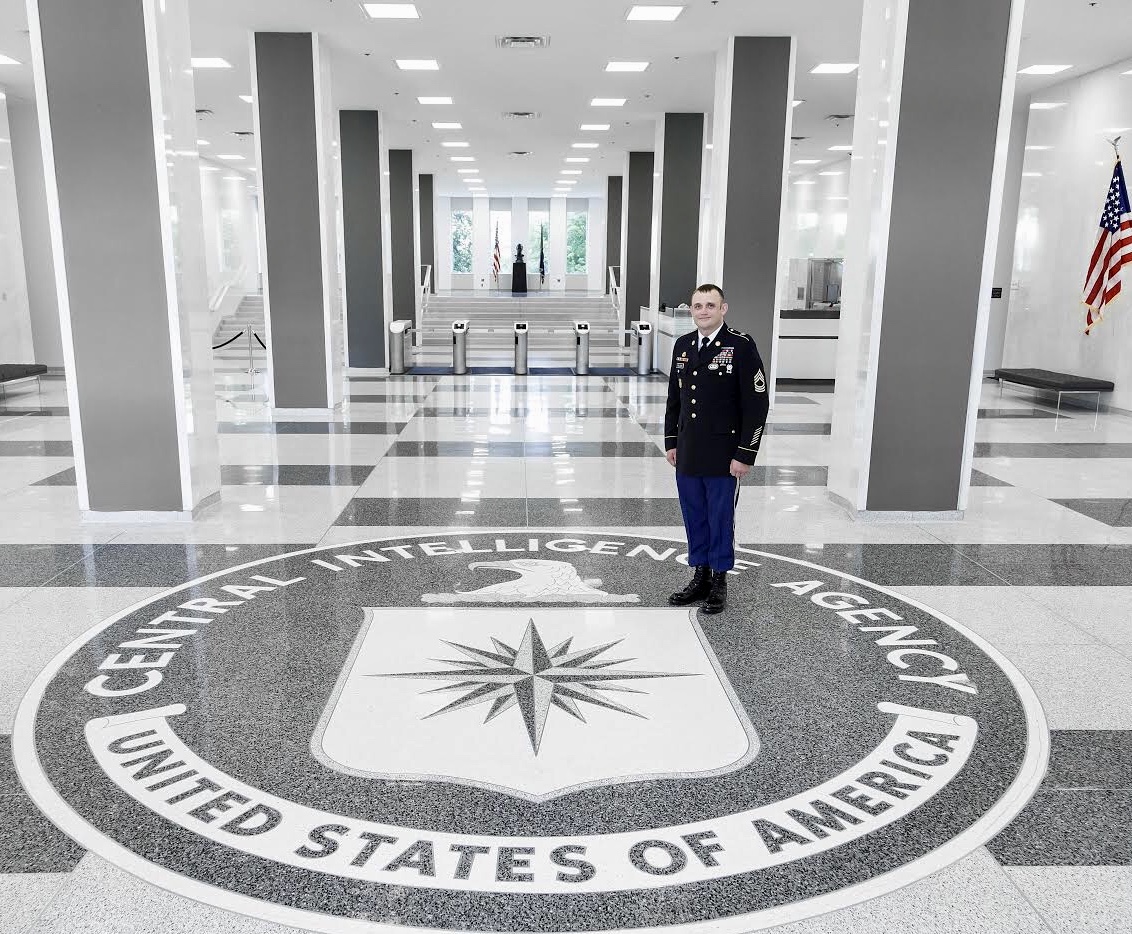
The Last Three Years
Leo and I built Noble Team.
Strategy became our responsibility to execute.
Leo and I got burned in business. That experience helped drive our decision to step out on our own and build Noble Team. We took what we had learned and put it to work, setting the direction, funding the work, and taking responsibility for execution.
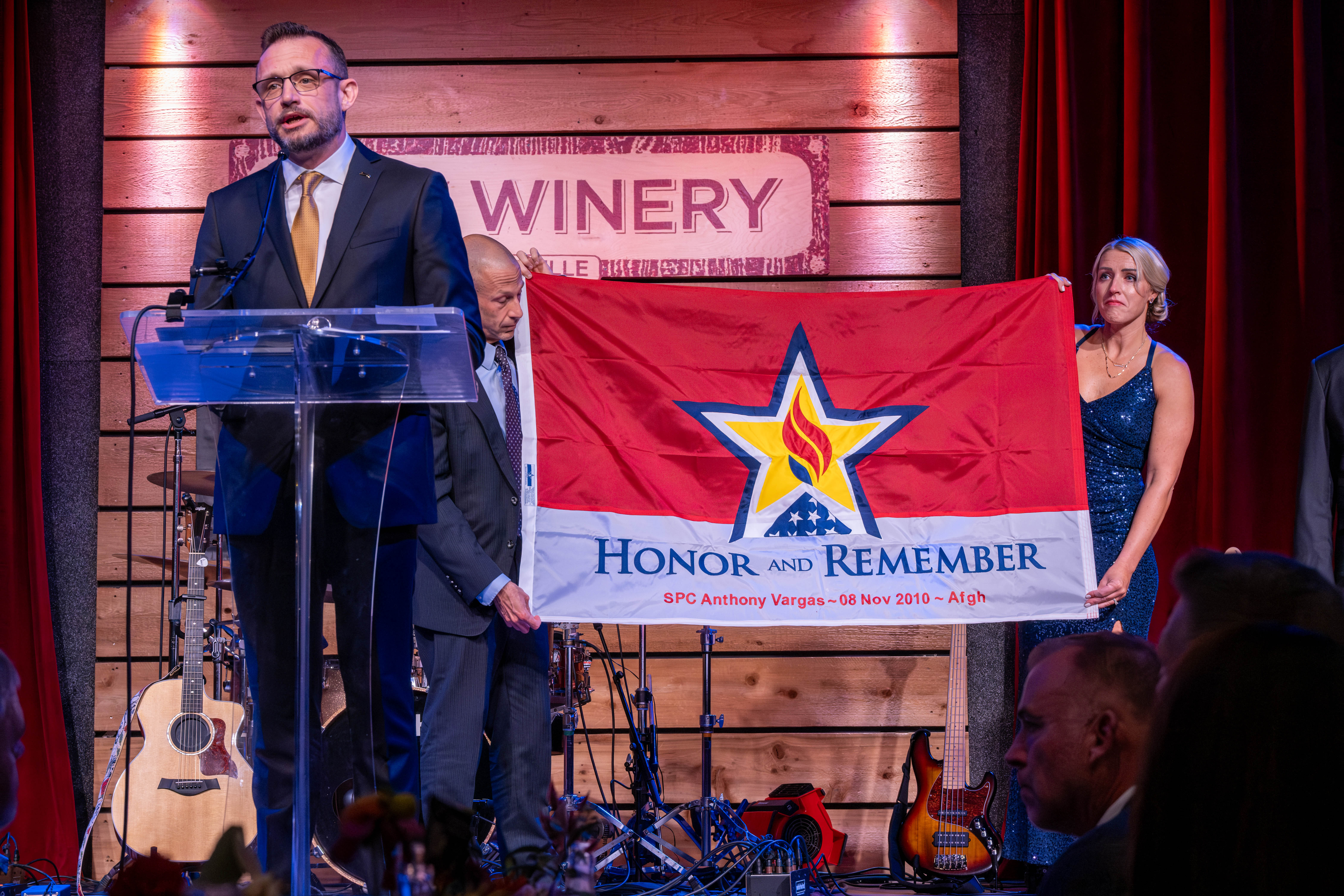
The last three years brought several strands of my work together. We were building Noble Team while I worked as a fractional executive, served as Chief Strategy Officer for Honor and Remember, and pursued executive education at Columbia Business School. Alongside those responsibilities, I worked with Dr. Kym to connect research, lived experience, and clinical knowledge in the framework behind The Actualization Effect and INVERSELF.
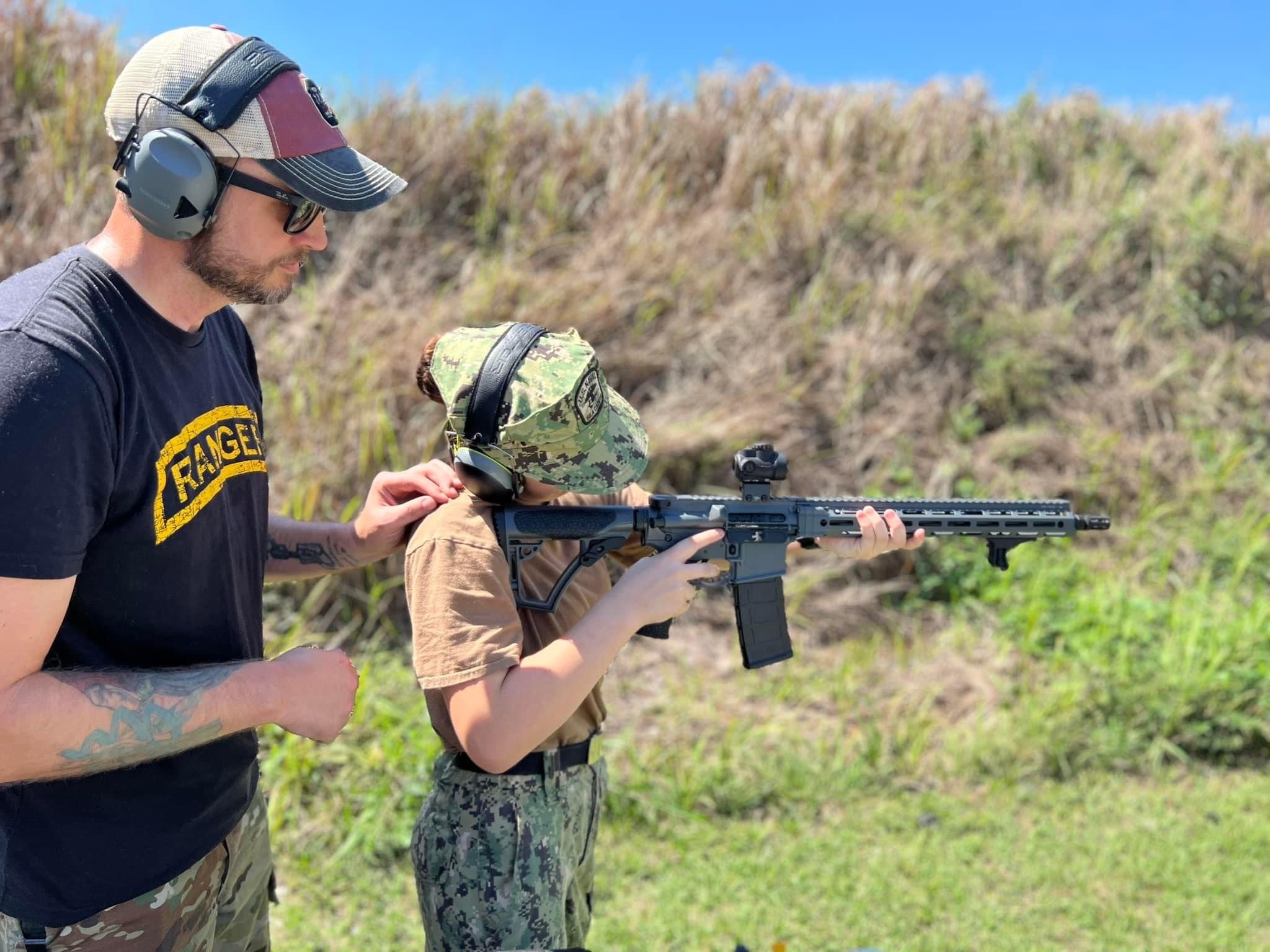
Building in the Real World
Turning strategy into working systems.
Fractional leadership placed me inside organizations when they needed clarity, change, or execution. Honor and Remember gave me responsibility for strategy inside a national mission with deeply human consequences. Noble Team required Leo and me to decide what the company would become, which opportunities fit, and how to keep building when the path was not obvious.
Working with experienced leaders, mentors, and collaborators expanded my perspective across business, entertainment, and veteran service. Those relationships created opportunities to exchange ideas, challenge assumptions, and put shared expertise to work. The value of that experience is in what we can build and contribute together.
A Second Education
Putting executive education to work.
I supplemented practical work with executive education at Columbia Business School, completing the CEO Program and additional study in venture capital and private equity. I also deepened my work in artificial intelligence and organizational transformation while studying neuroscience, belief systems, lived horizontal growth, and the role of clinical vertical growth.
I used that education to test what fractional leadership, Honor and Remember, and building Noble Team were teaching me in real time. It strengthened how I connect practical experience with frameworks for leadership, capital, growth, and organizational change.

Learning the System
Enterprises, established businesses, startups, and investments taught me how organizations, incentives, capital, and execution interact.
Taking Responsibility
Noble Team, fractional leadership, Honor and Remember, and Columbia brought ownership, execution, and education together.
Building What Comes Next
Those experiences now inform INVERSELF and my work in lived horizontal growth.
Who I Am Today
Building a human performance company.
Grounded in human relationships.
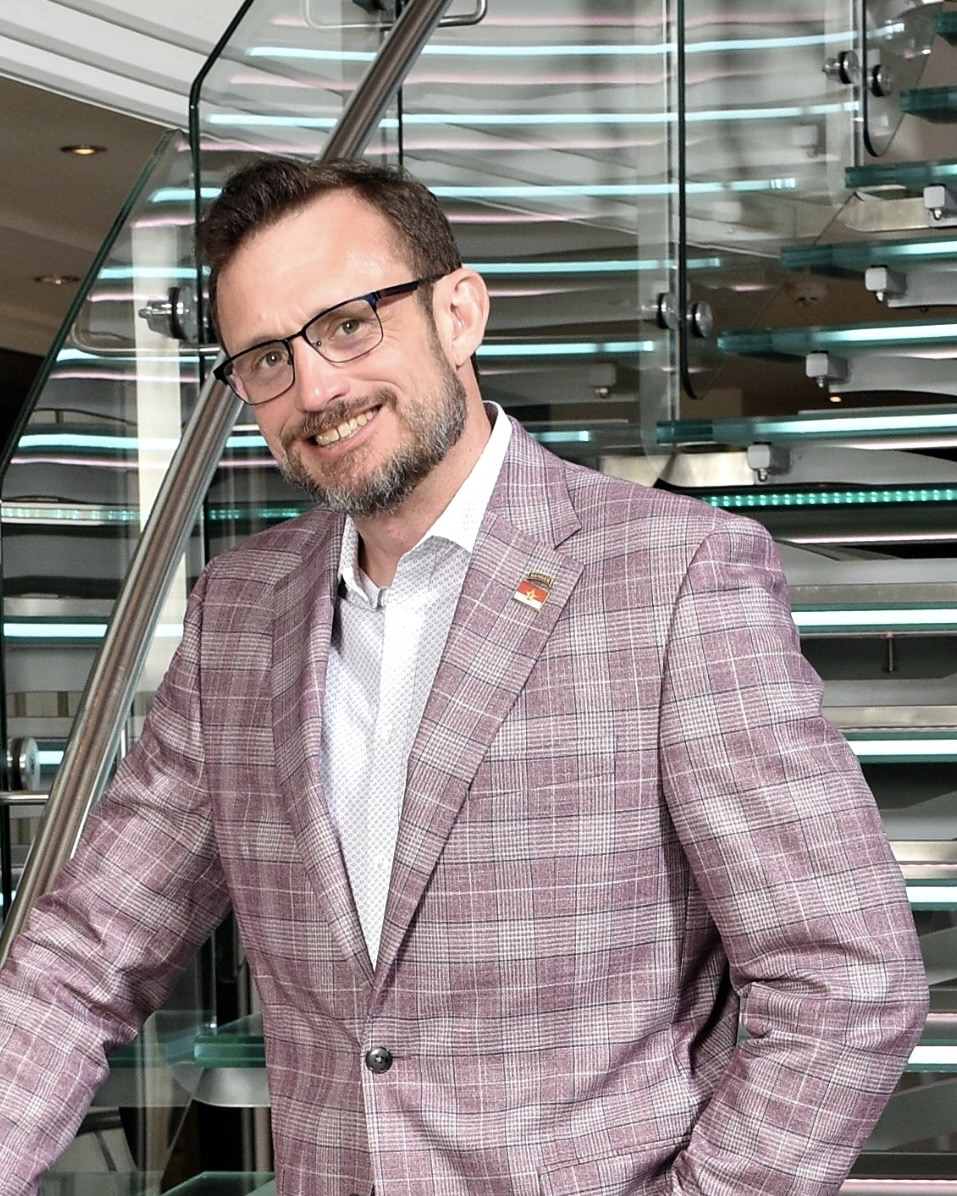
INVERSELF brings together complementary expertise for executives, elite athletes, cultural figures, and veterans. Dr. Kimberly Lasser-Chere leads assessment and clinical vertical growth. I lead lived horizontal growth: developing practical skills, applying chosen values, shaping supportive environments, and following through.
Dr. Kym and I both bring a trauma-informed approach to our respective work. Our roles remain distinct. When a client is ready to transition into lived horizontal growth, we coordinate a handoff using the information the client authorizes Dr. Kym to share.
The Passage is our flagship six-month cohort, currently in preparation. Pyramis is the system being developed to support context, continuity, and measurement, with human professionals retaining responsibility for their work.
Entrepreneurship & Strategy
Building ventures and organizational systems has taught me to connect ambition with resources, people, decisions, and execution.
Lived Horizontal Growth
My work focuses on the practice required to live according to chosen values, with skills, feedback, and accountability in real environments.
Human Systems & AI
Within INVERSELF, we are developing technology to support continuity and professional judgment as people’s needs change over time.
Selected Digital Work
Strategy is incomplete until something works.
As Chief Strategy Officer for Honor and Remember, I took ownership of execution. I led the strategy and development of these platforms, translating national storytelling, fundraising, and public participation into working digital experiences.
declarationofremembrance.com
Declaration of Remembrance
A public signing platform connecting national remembrance with participation and recognition of America’s military fallen.
Visit Site →donate.honorandremember.orgHonor and Remember Giving Platform
A giving and personalized flag sponsorship experience connecting supporters to remembrance, Gold Star families, and the impact of their contributions.
Visit Site →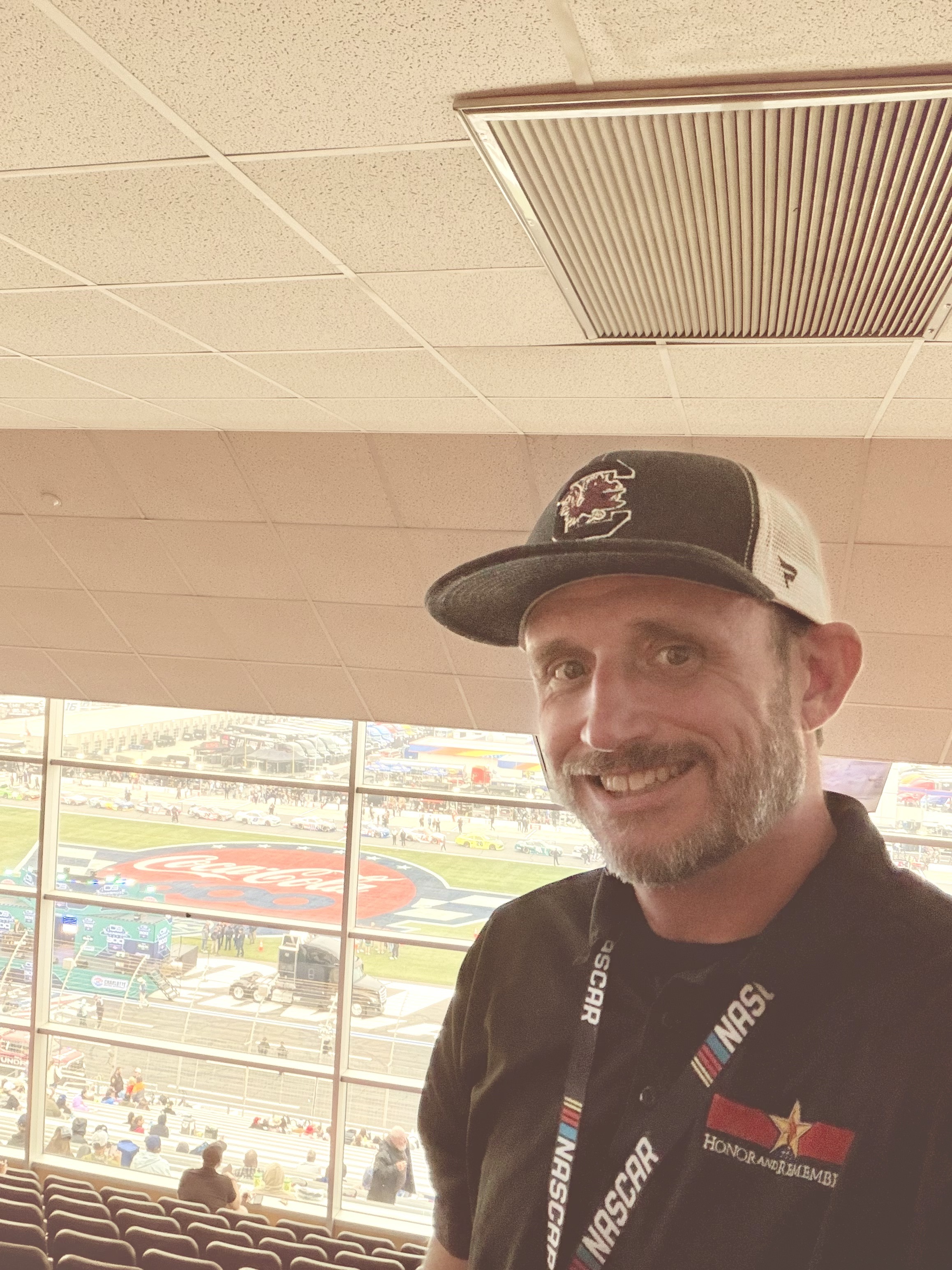
Leadership in Service
The work matters because the mission matters.
Serving as Chief Strategy Officer for Honor and Remember connected organizational modernization, public awareness, fundraising, and digital execution to recognizing America’s military fallen and standing with their families. It reinforced a standard I carry into every project: strategy has value when it improves what the mission can accomplish.
What I Believe Now
Leadership means making decisions and owning the results.
The strongest leaders examine their assumptions, test their interpretation, listen seriously to what challenges them, and change when the evidence demands it.
I believe in clear expectations, informed decisions, and accountability that considers the conditions people are working within. Technology should deepen human understanding and help people act with better context. Experience earns its value through what you build, how you lead, and who benefits from the work.
That is the standard I bring to INVERSELF and the work we are building together.

The Actualization Effect • Coming Soon
The Actualization Effect brings together my lived experience and research with Dr. Kimberly Lasser-Chere’s clinical knowledge. It explores how belief, values, environment, and experience shape the lives people build, and how understanding can become a starting point for meaningful action.
That shared work helped shape the framework behind INVERSELF. Clinical vertical growth and lived horizontal growth have distinct professional purposes, connected by appropriate coordination and continuity. Technology and community are being developed to support that human work.
Learn about the book →The Passage • Applications Opening Soon
Your next chapter.
Start here.
We are preparing INVERSELF’s flagship six-month experience. Join the waitlist to receive application announcements and details about the next cohort.
Joining the waitlist is not an application or a commitment to enroll.